A listening guide
The operas behind the arias
Six operas named for the Casanova Prisons concert in Venice, with the number each is best known for, so you can listen before you go to the concert hall.
Reserve seats for the concert ↗Quick answer
The Casanova Prisons concert names six works: The Barber of Seville, The Marriage of Figaro, Don Giovanni, La bohème, The Tales of Hoffmann and The Merry Widow. Programmes vary by date, so the numbers below are the best-known ones from each work, not a set list. Listening to any of them first makes the concert easier to follow.
Rossini: The Barber of Seville
Rossini's comic opera was first staged on 20 February 1816 at Rome's Teatro Argentina, to a libretto by Cesare Sterbini drawn from a Beaumarchais comedy. The barber Figaro bursts in with "Largo al factotum della città", a patter song which lets a baritone show off. Rosina's cavatina "Una voce poco fa" is the other number audiences know. Both suit a small room with a piano, where the comedy comes from the singer's face as much as the notes.
Mozart: The Marriage of Figaro
Mozart and the librettist Lorenzo Da Ponte brought this comedy to Vienna's Burgtheater on 1 May 1786. Its servants, Figaro and Susanna, set out to marry while the Count tries to win Susanna for himself. The page Cherubino sings "Voi che sapete che cosa è amor" to the Countess, and the Countess herself later sings "Dove sono i bei momenti". Both are slow, lyrical numbers that need no staging, which is why they appear in concerts without sets or costumes.
Mozart: Don Giovanni
Don Giovanni, also on a Da Ponte libretto, premiered in Prague on 29 October 1787. Da Ponte borrowed from an opera on the same story by Giovanni Bertati, which premiered in Venice earlier in 1787, so the work has a link to this city. Leporello's catalogue aria, "Madamina, il catalogo è questo", tallies the Don's conquests country by country and is a favourite when a bass or baritone wants a laugh. In a concert it often works best as a comic scene with piano rather than a full production.
Puccini: La bohème
Puccini wrote four acts to words by Luigi Illica and Giuseppe Giacosa, and the opera opened in Turin's Teatro Regio on 1 February 1896 under the young Arturo Toscanini. It follows a poor seamstress, Mimì, and her bohemian friends in Paris. Rodolfo's aria "Che gelida manina", sung when he takes her cold hand, is the tenor number most concerts reach for. It is a short, intense piece that works well with a pianist alone, which makes it a natural choice for a small room.
Offenbach: The Tales of Hoffmann
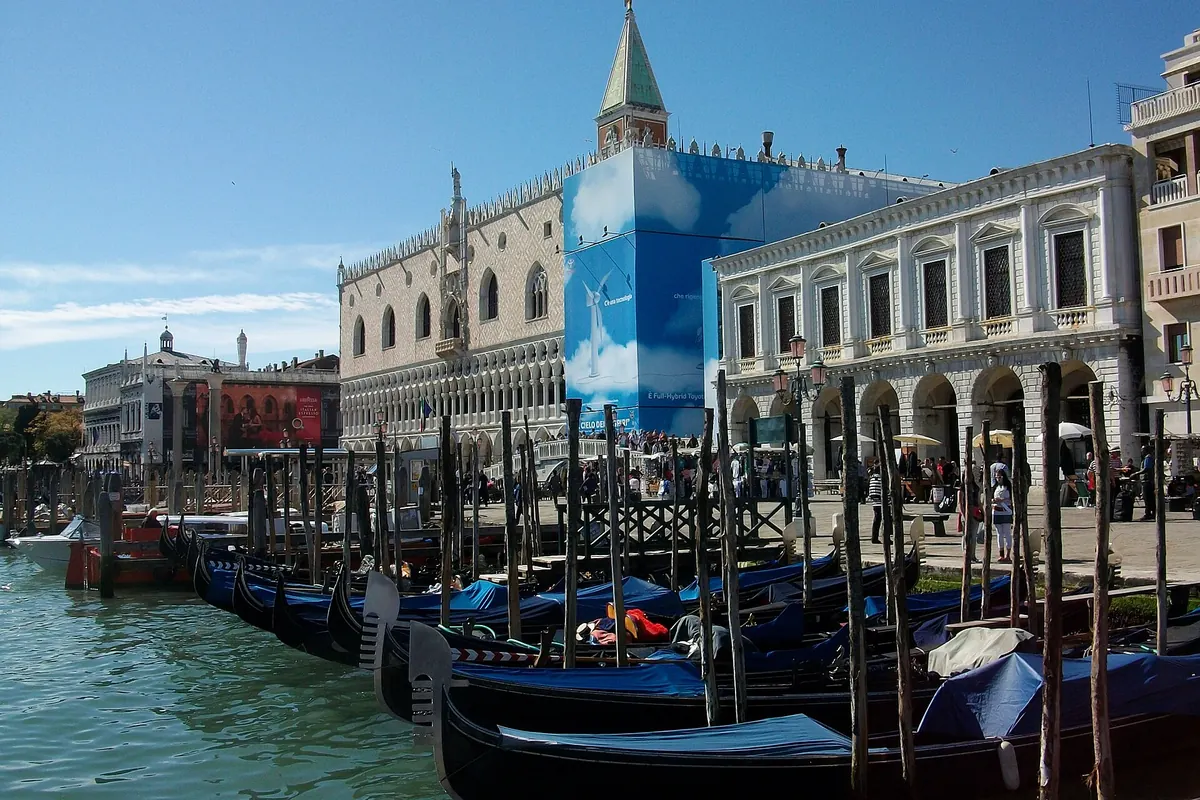
Offenbach's opéra fantastique was his last work. He died on 5 October 1880, four months before its first public performance at the Opéra-Comique in Paris on 10 February 1881, which omitted the Venetian act. That act opens in a gallery in a Venetian palace with the barcarolle "Belle nuit, ô nuit d'amour", the opera's famous number. The Venetian setting of that number makes it a natural piece to hear in Venice itself.
Lehár: The Merry Widow
Franz Lehár's operetta, with a libretto by Viktor Léon and Leo Stein, premiered in Vienna in 1905 and was a success around the world. Its best-known numbers are the Vilja Song, "Da geh' ich zu Maxim", and the Merry Widow Waltz, which carries the words "Lippen schweigen". Operetta is lighter than opera, with spoken scenes and waltz tunes, so it gives a concert programme a change of mood after Puccini's more serious arias.
How to listen before you go
You do not need to study the works, but a short playlist helps. Play one famous number from each opera, the Barber's entrance song, the page's song from Figaro, the catalogue aria, Rodolfo's aria, the barcarolle and the Vilja Song, and you will recognise most of what is sung. Remember that the programme on your date may differ, and that a concert like this is about enjoyment rather than a test. Watch for the humour: the performers are described as lively, and the comic numbers are the ones that make a small room laugh.
Frequently asked questions
Will these exact arias be sung?
Not necessarily. Programmes vary by date and by performer, so the numbers here are the best-known ones from each work, not a set list.
Is the concert sung in Italian?
Mostly, since four of the six works are Italian, but The Tales of Hoffmann is French and The Merry Widow is German. The language of each number depends on what is chosen for the date.
Do I need to know opera first?
No. The numbers are chosen to be recognised, and the concert is built around humour and a small room.
Sources